Loading page…
Pitch
Description
Comments
Connect Large Language Models with powerful penetration testing tools.
Project details
The Kali MCP Server enables seamless integration of Large Language Models with a suite of offensive security tools. This server allows AI agents like Claude & GitHub Copilot to autonomously perform complex security tasks while maintaining structured outputs for easy analysis.
The Kali Linux MCP Server serves as an advanced Model Context Protocol (MCP) implementation that seamlessly connects Large Language Models (LLMs) to an expansive array of offensive security, reconnaissance, and enumeration tools. Leveraging the FastMCP Python SDK, this server effectively interprets natural language queries into secure, encapsulated command-line executions corresponding to industry-standard Kali Linux utilities.
By making these tools available as MCP resources, AI agents can autonomously carry out tasks such as WHOIS lookups, Nmap scans, web directory fuzzing, exploit database searches, and interactions with the Metasploit Framework, all while providing structured output and error logs for integration back into the LLM's context.
DEBIAN_FRONTEND=noninteractive variable.mcp Python SDK, the environment is highly adaptable, allowing the SDK to be installed globally within the isolated container or through a Python virtual environment.
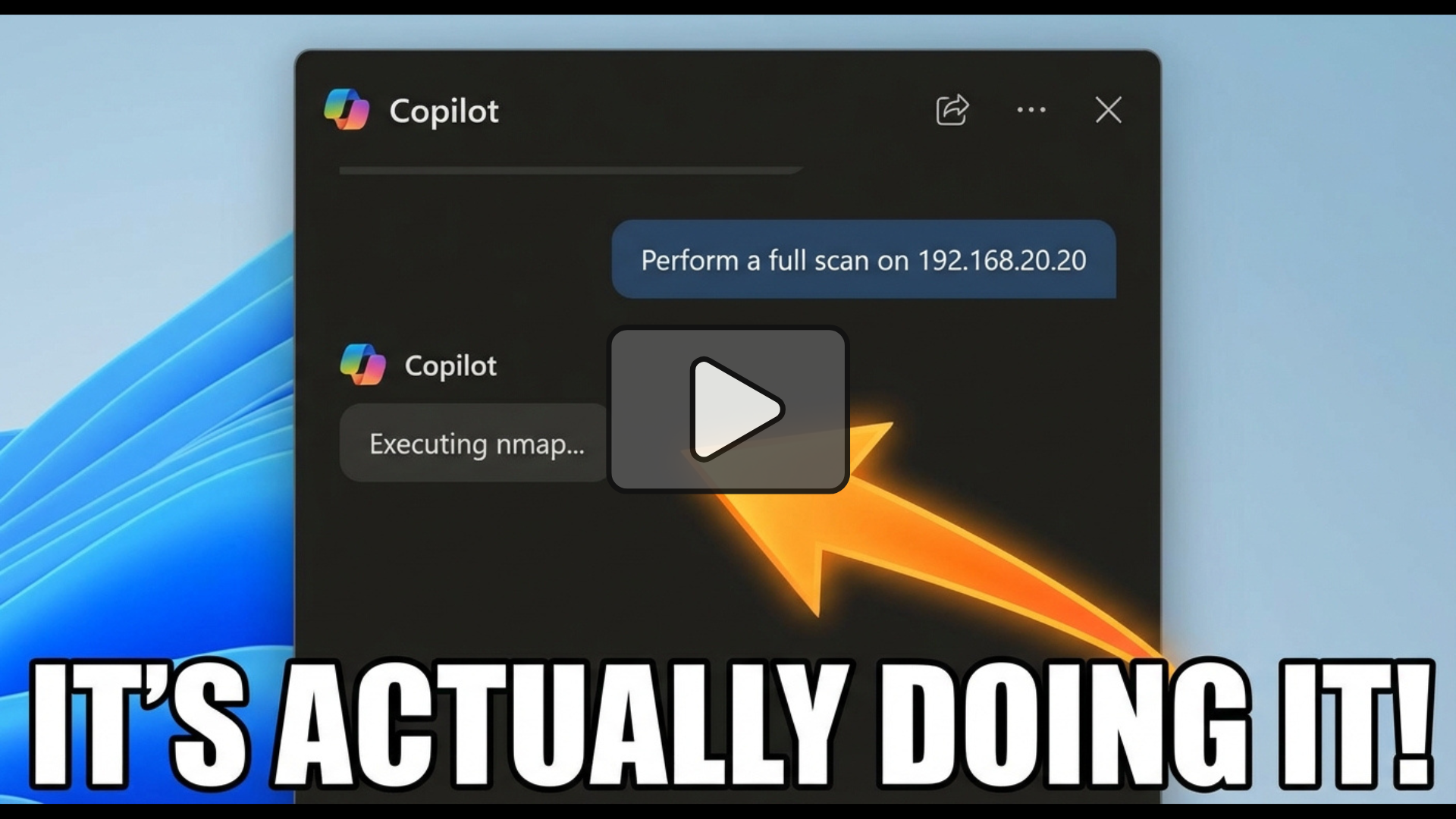
The Kali MCP Server exposes a suite of 21 specialized tools that span various operational phases:
Details of the tools and their parameters are outlined in the section regarding MCP Tool Definitions.
While Docker is recommended for deployment, the server can also be run locally on a Kali Linux machine for development or debugging. The setup process requires cloning the repository, setting up the environment, and installing required dependencies to ensure comprehensive functionality.
The Kali Linux MCP Server enhances the connectivity of LLMs with powerful offensive security capabilities, making it an invaluable resource for cybersecurity professionals and researchers leveraging AI for security tasks.
Comments
0Start the conversation
Share the first comment.